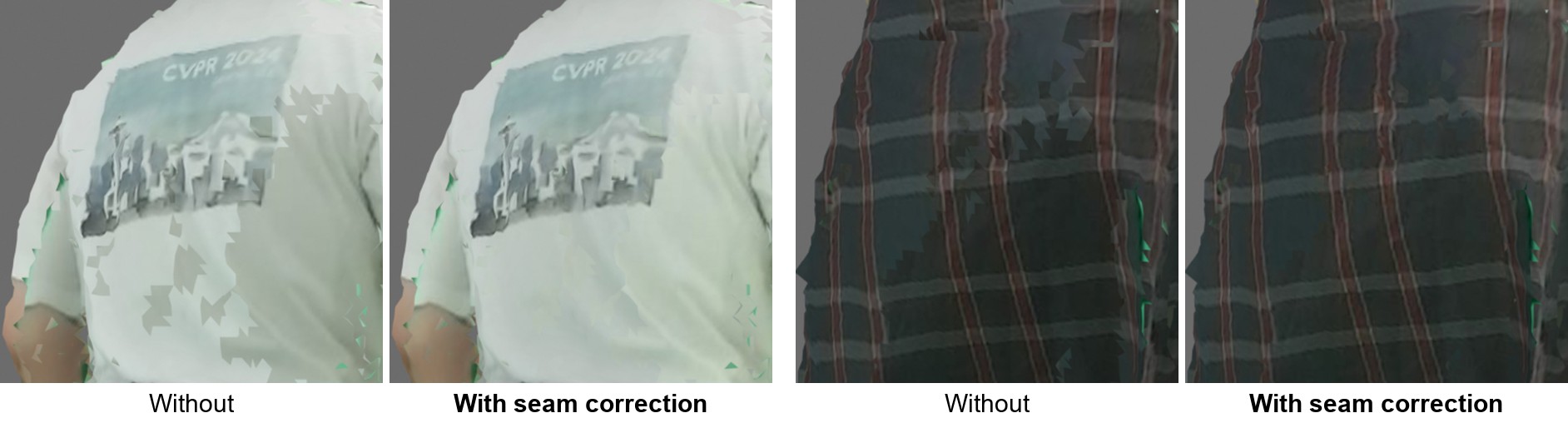
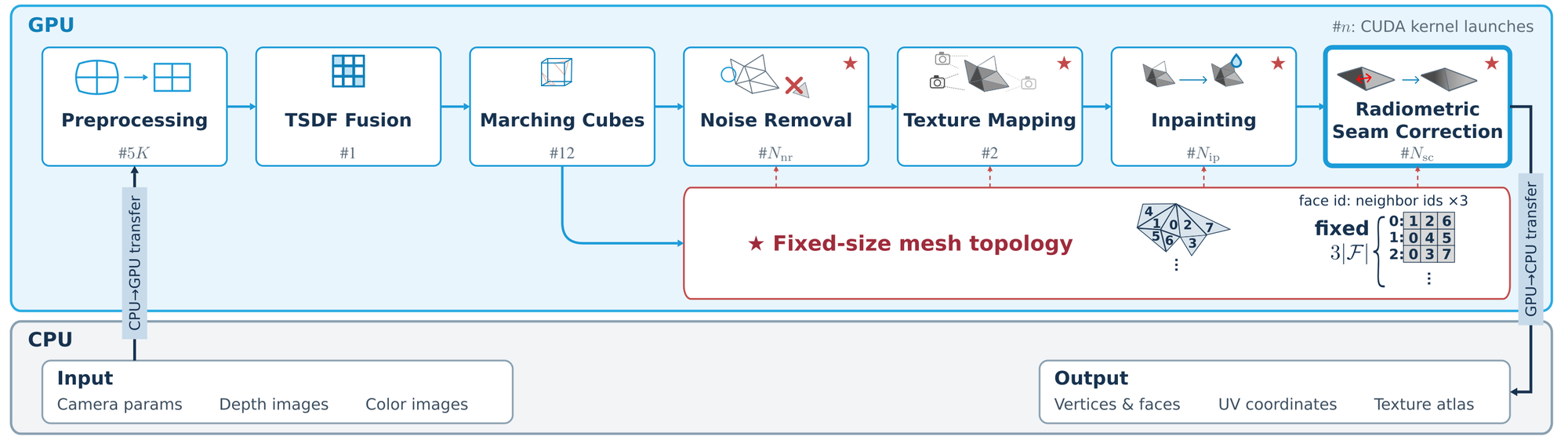
We present a GPU-native volumetric-video system for real-time reconstruction of graphics-compatible textured triangle meshes from multiple RGB-D sensors. Existing TSDF systems accelerate fusion and mesh extraction, but extending them to per-frame textured meshing adds CPU mesh processing, CPU-side texturing work, or extra CPU–GPU transfers between stages. After input staging, our method keeps the reconstruction and texturing stages (TSDF fusion, Marching Cubes, connected-component noise removal, view-based texture mapping, inpainting, and radiometric seam correction) resident on the GPU; no intermediate mesh or image data returns to the host between these stages. A fixed-size-array representation of mesh topology gives constant-time neighbor access on the GPU and makes the downstream mesh-level operations data-parallel. Because we texture each face from a single camera, exposure seams that vary smoothly across each image remain; we estimate a per-camera low-frequency gain field and bake it into the atlas on the GPU. On the CMU Panoptic dataset, our method is faster than the baselines at every tested voxel resolution and number of sensors, achieves peak speedups of more than an order of magnitude over CUDA-accelerated nvblox and CPU-based Open3D, and approaches an offline textured-meshing baseline in perceptual re-rendering quality.
Each frame uploads the color and depth images once. TSDF fusion, Marching Cubes, connected-component noise removal, per-face view selection, inpainting and radiometric seam correction then run on the GPU, and only the finished mesh, UVs and texture atlas return to the host. Faces store their three edge-adjacent neighbors in a fixed-size array, so neighbor access takes constant time and the mesh-level stages are data-parallel per face.
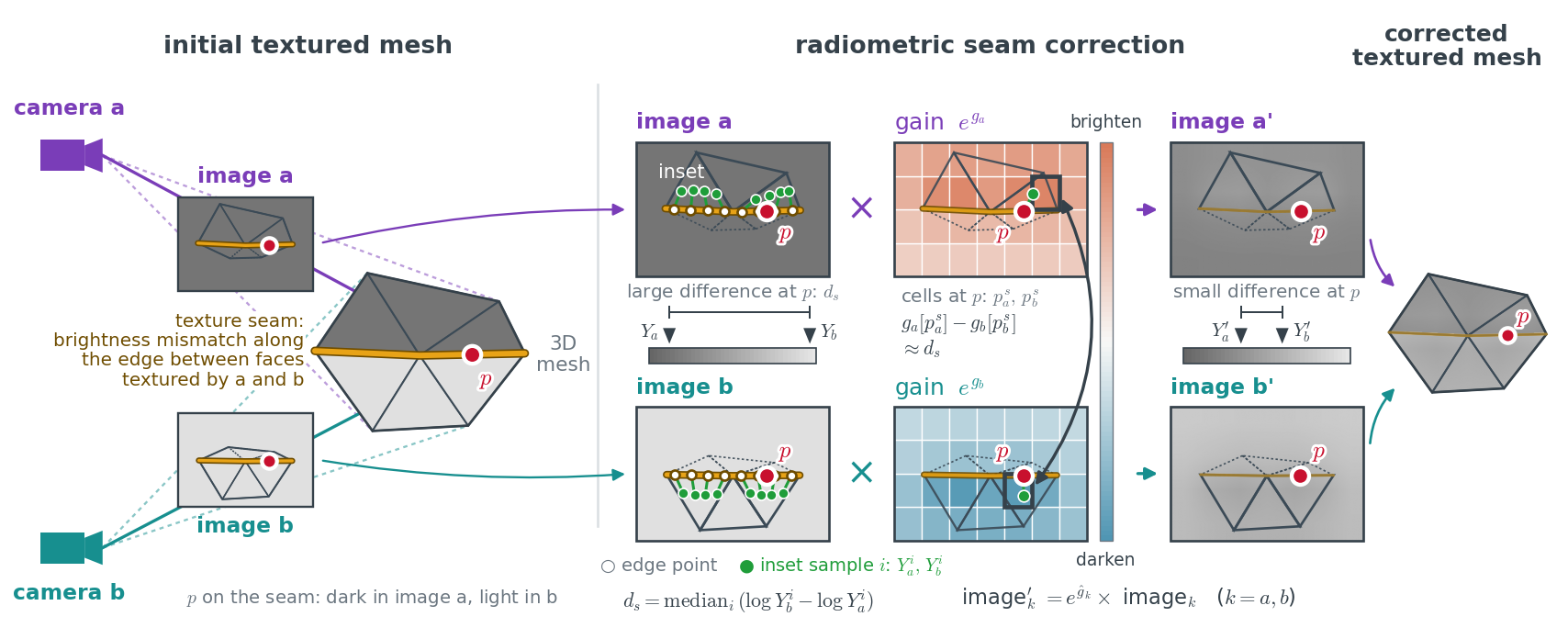
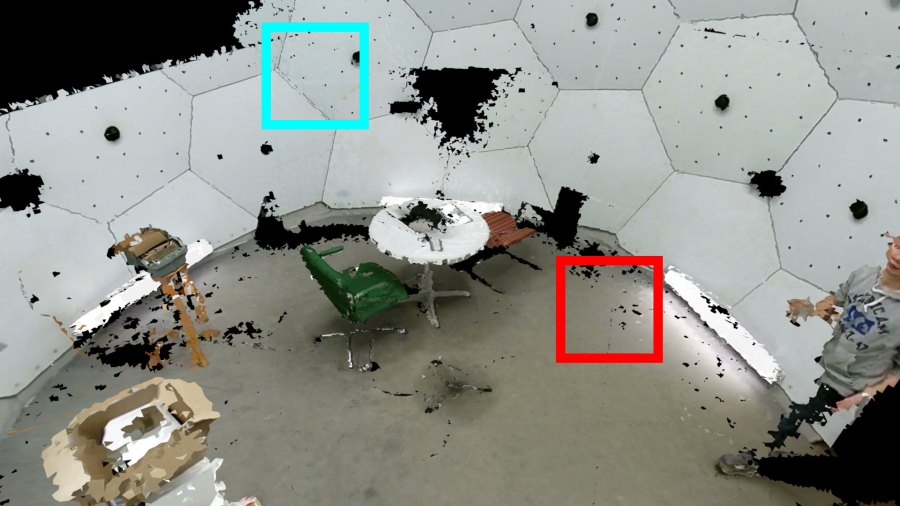
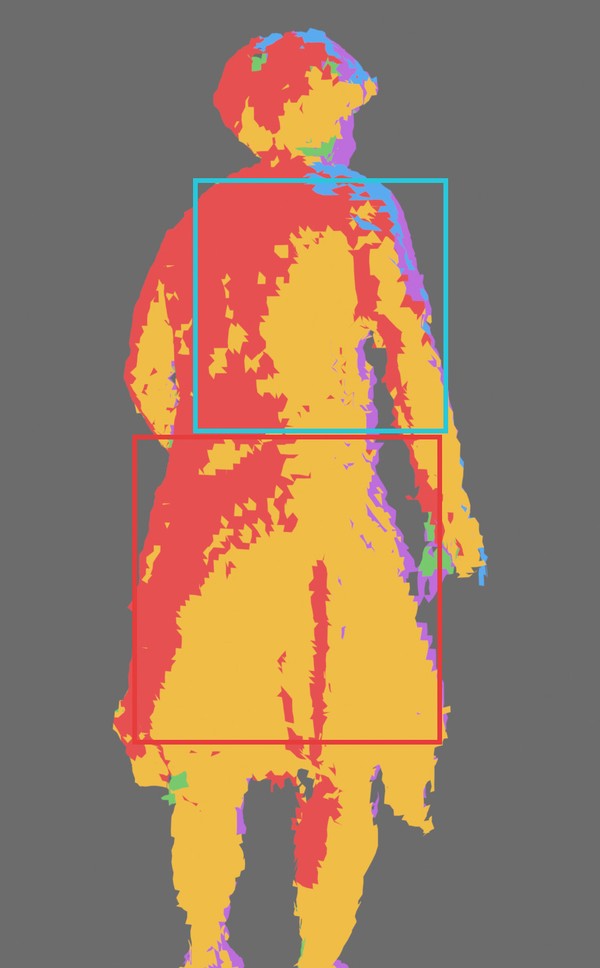
Texturing each face from a single camera leaves exposure seams where neighboring faces use different cameras. We sample both images along every seam and solve a 24×16 log-gain field per camera with smoothness and unit-gain anchor terms, using a few matrix-free Jacobi iterations on the GPU. The fields are baked into the atlas, and a moving average over frames keeps the correction stable in video.
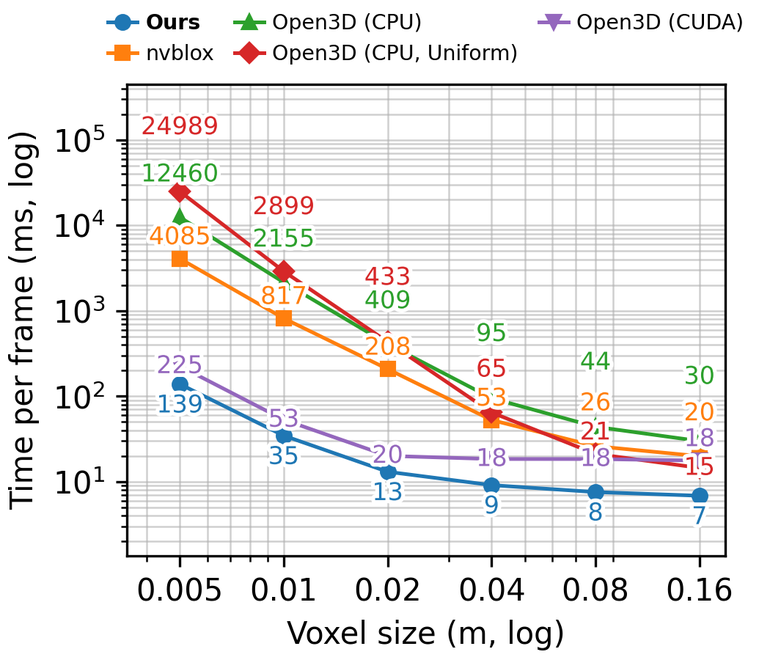
Per-frame time versus voxel size (office2, five sensors).
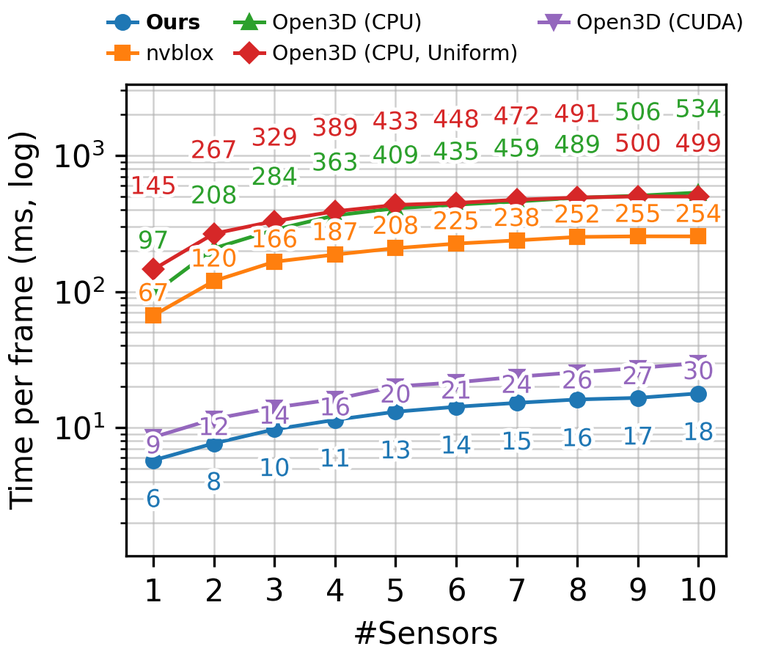
Per-frame time versus number of sensors (2 cm voxels).
We reconstruct from five Kinects and render the result from the other five, which are not used as input.
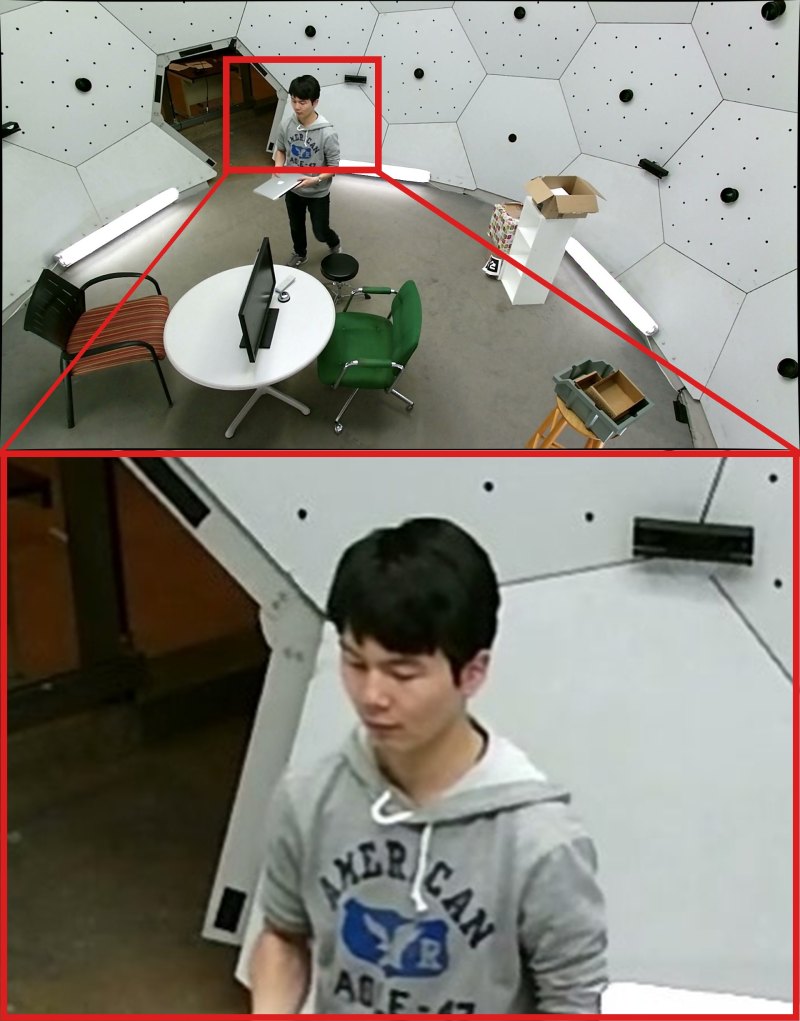
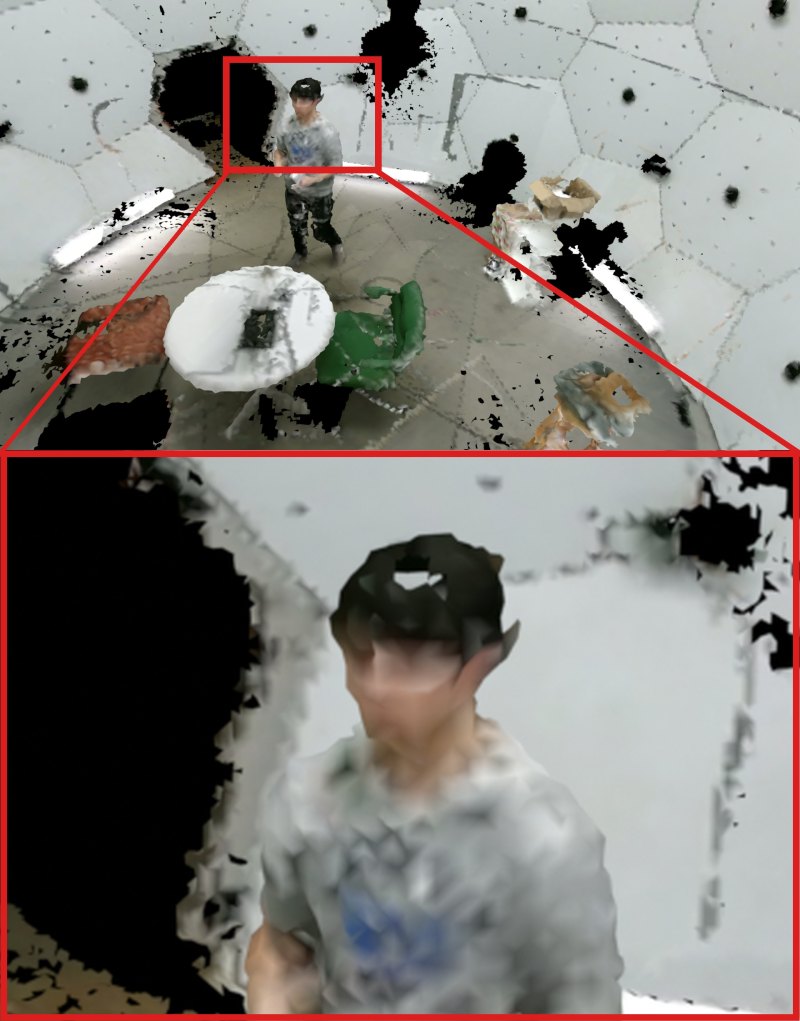
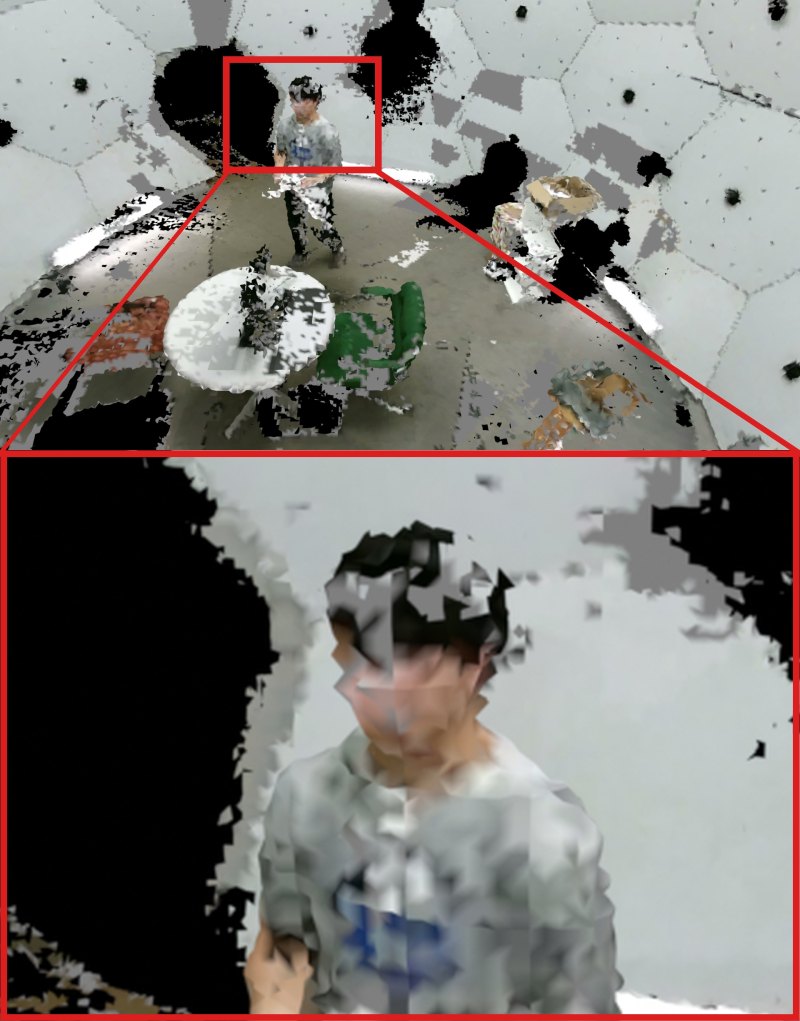
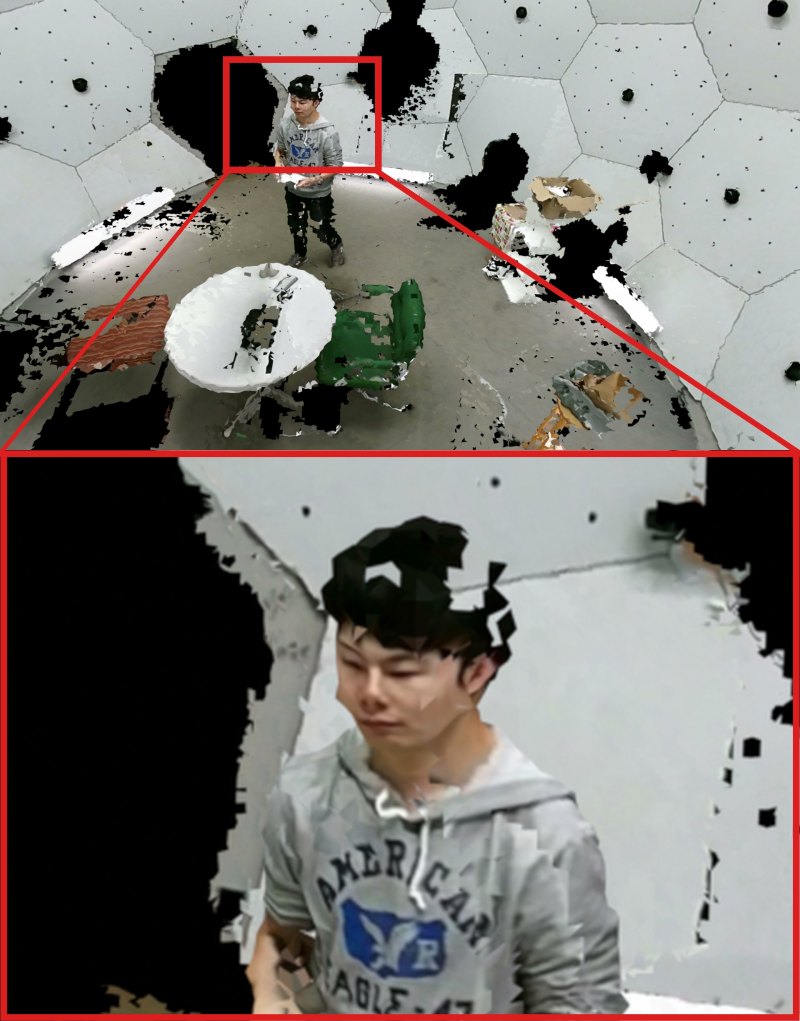
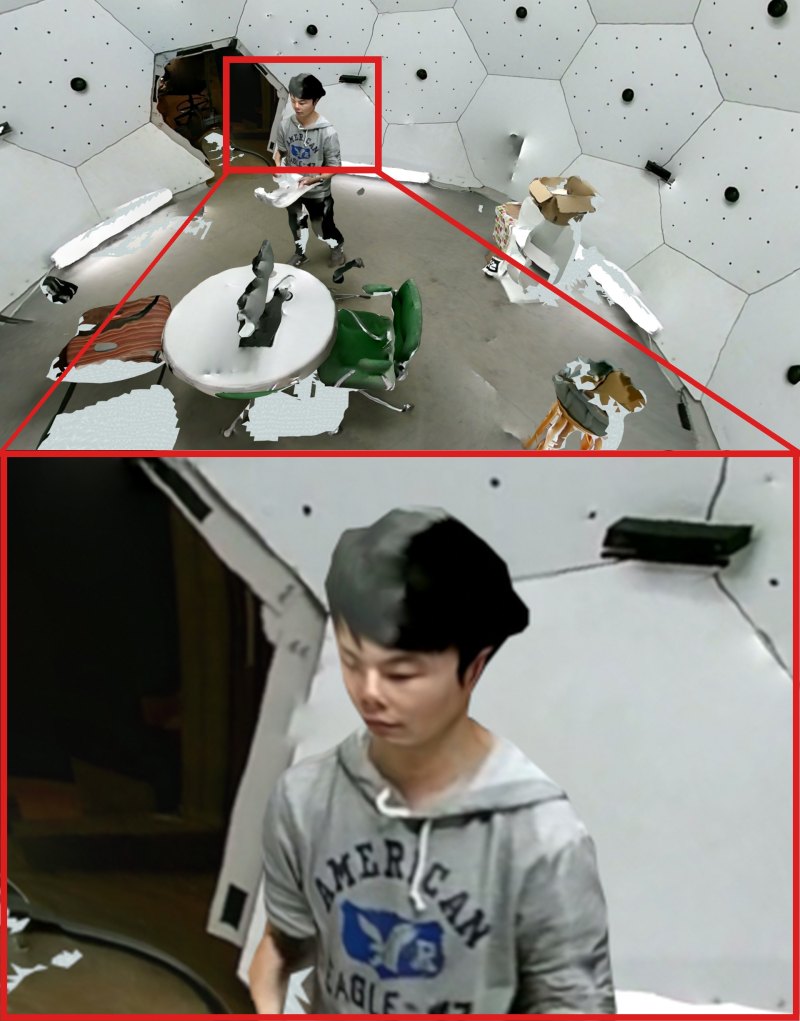
office2
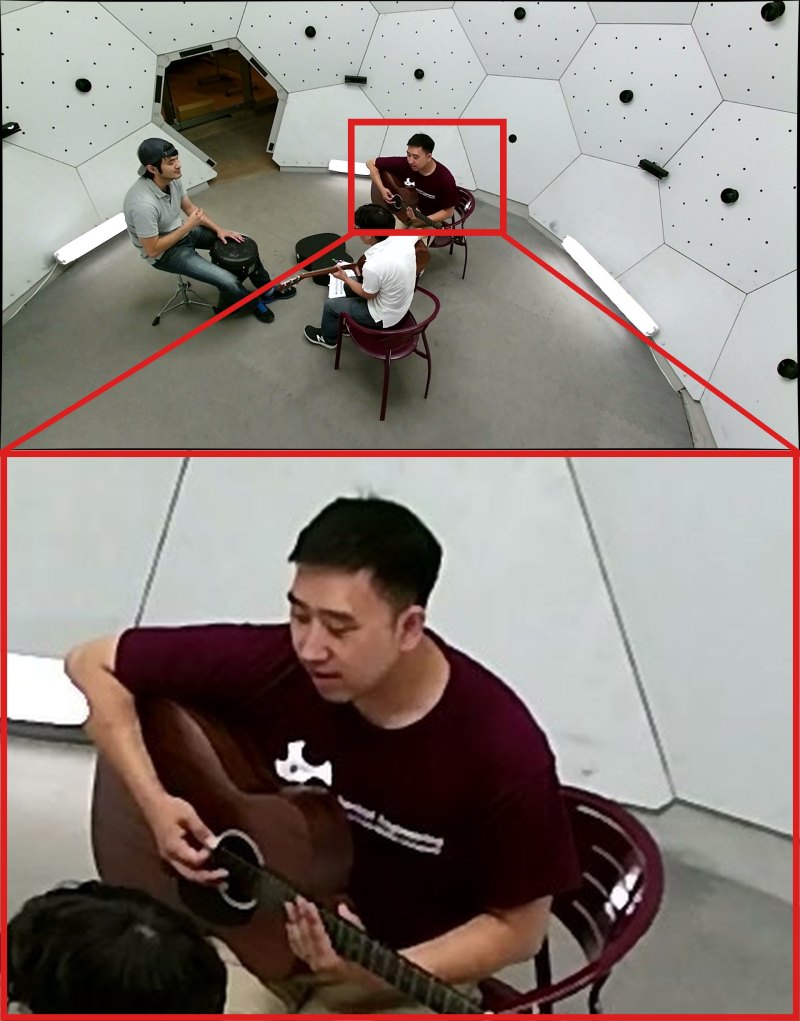
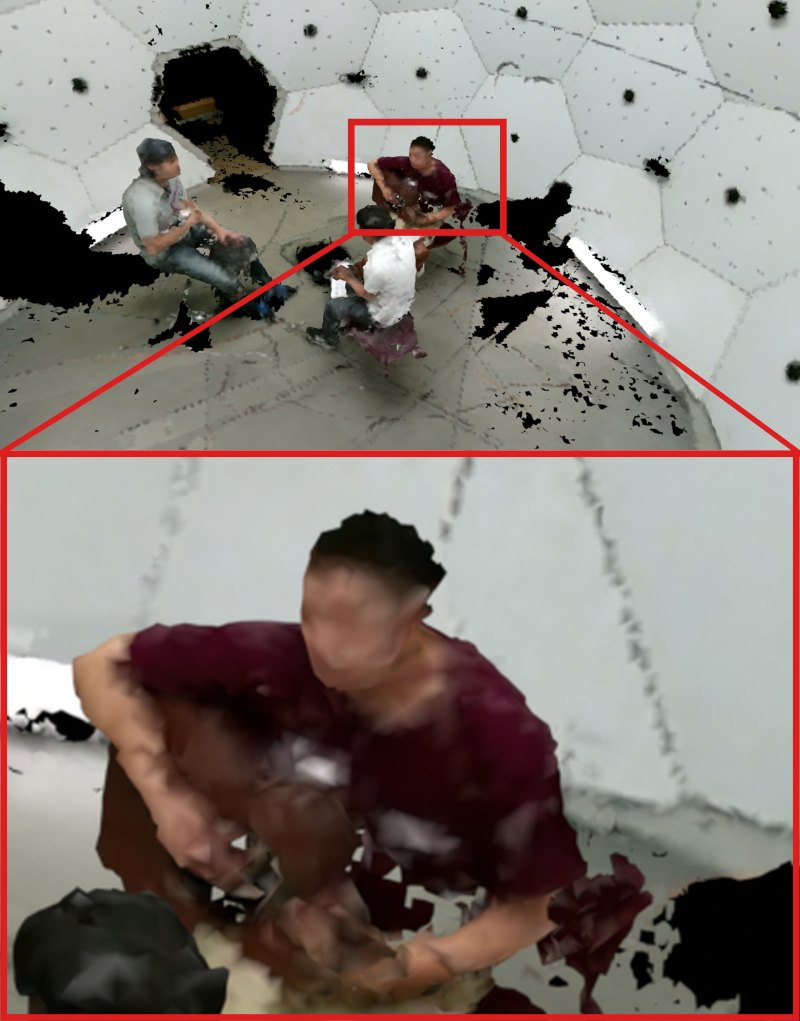
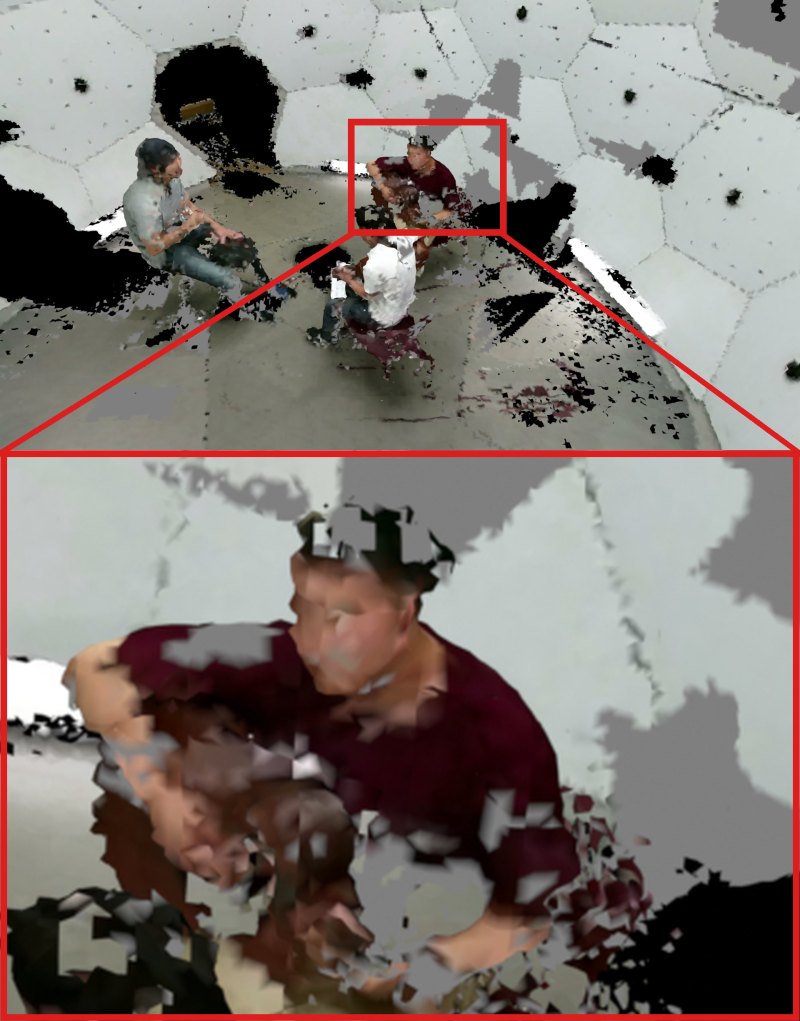
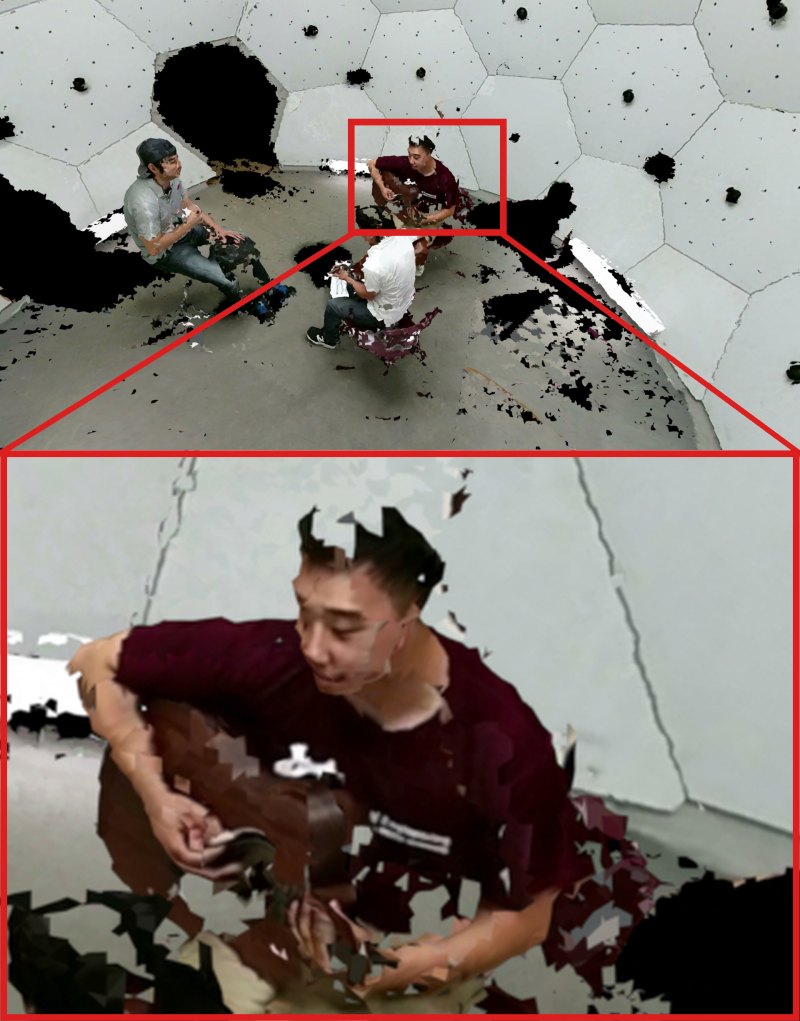
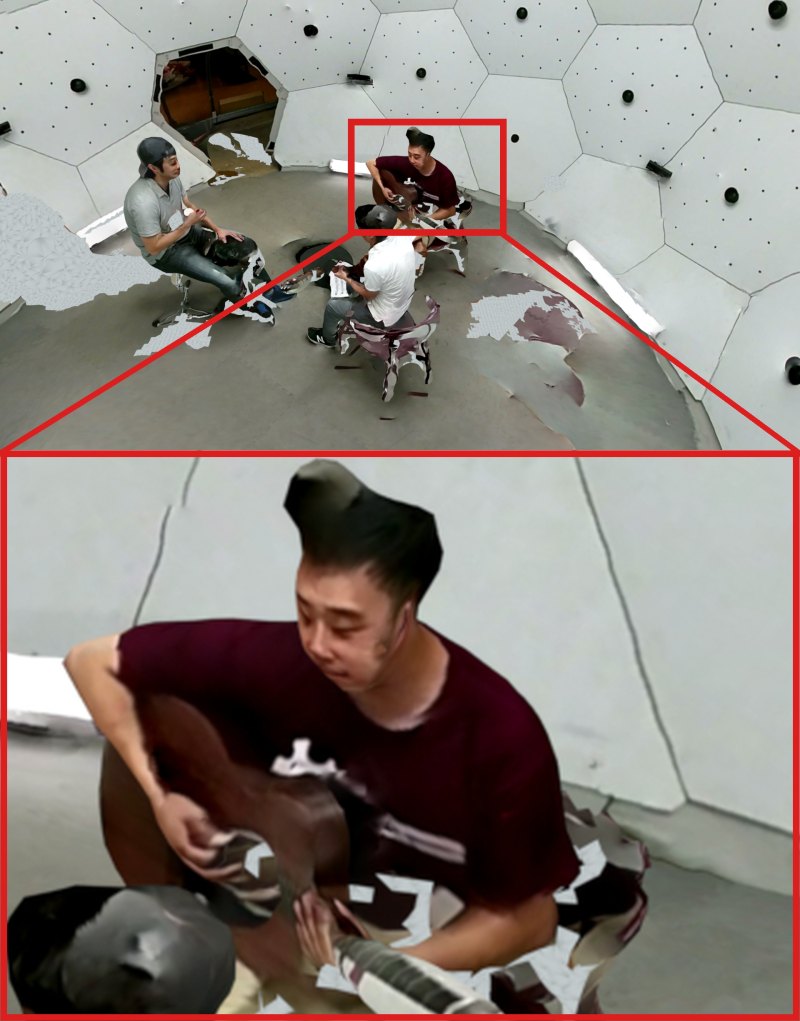
band2
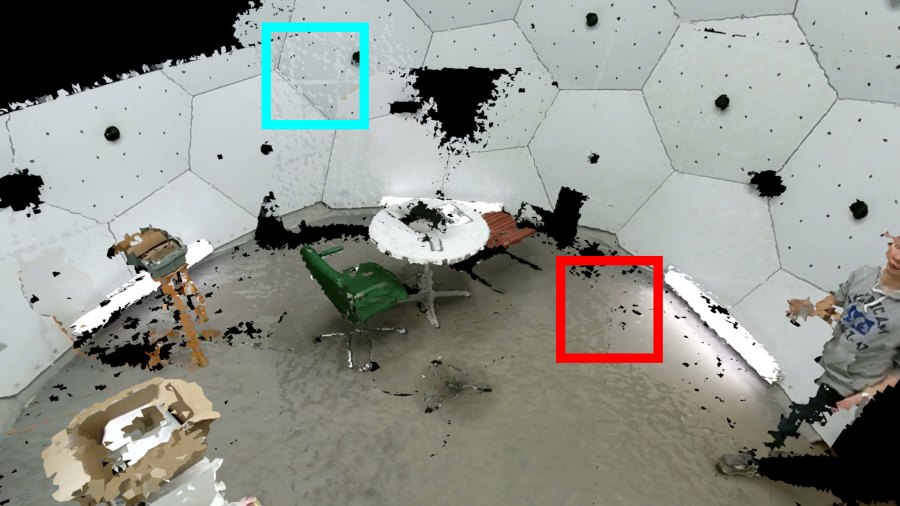
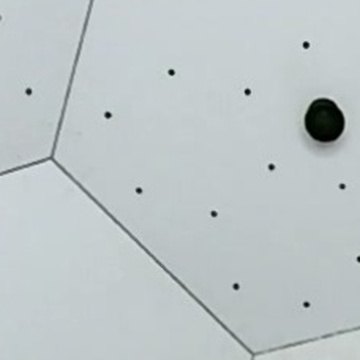
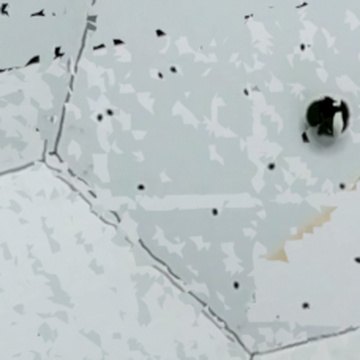
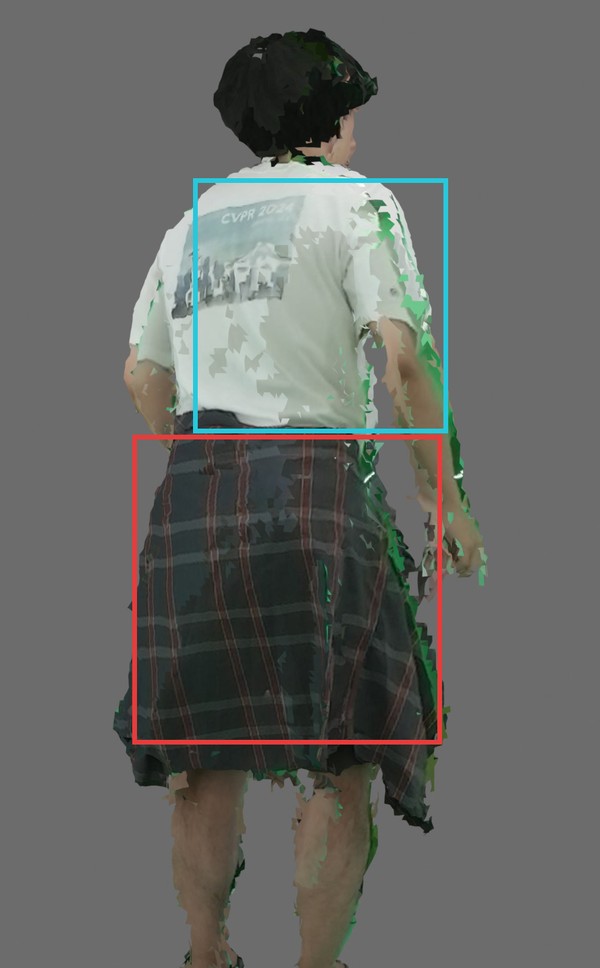
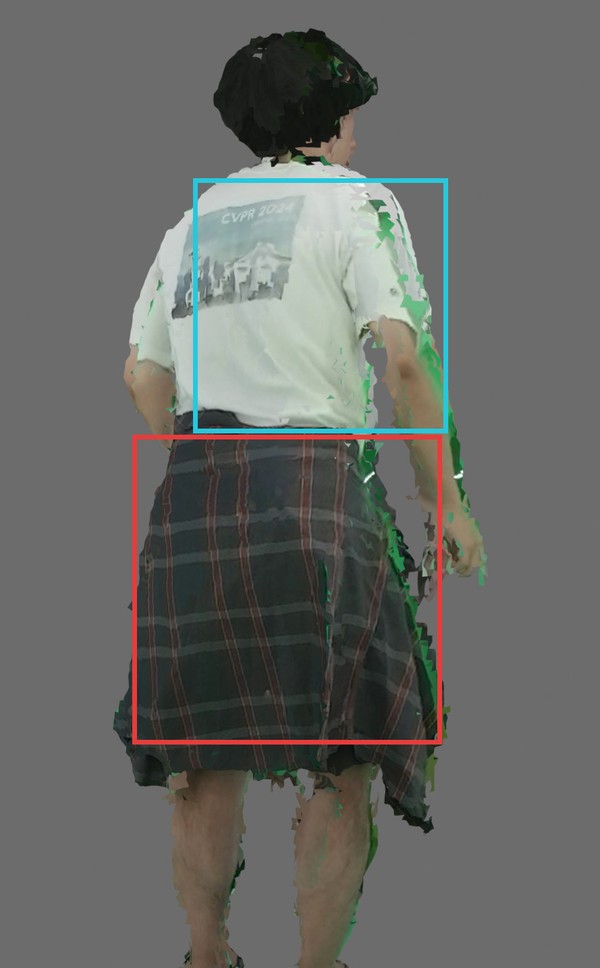
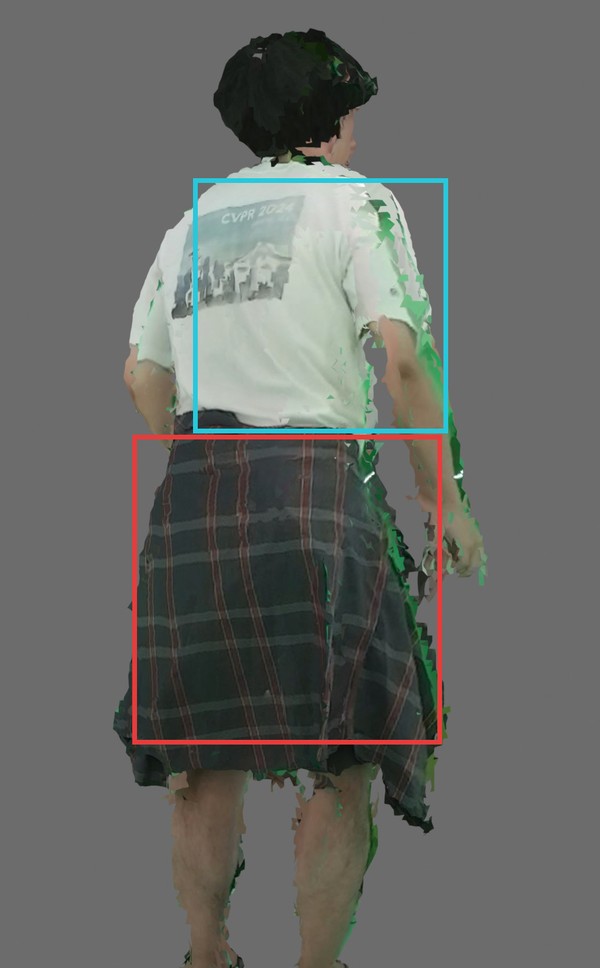
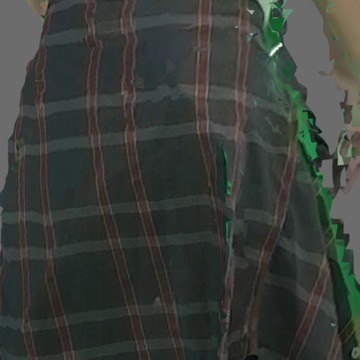
Without seam correction
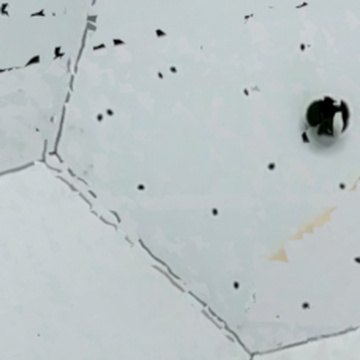
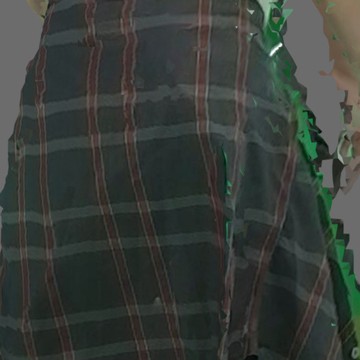
With seam correction
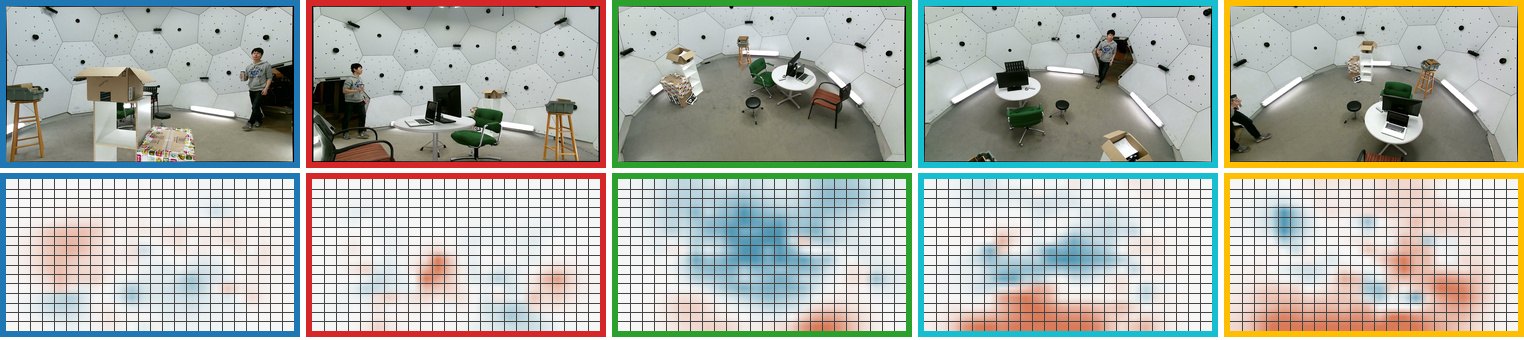
Each input camera (top) and its gain field (bottom; red brightens, blue darkens).
On an in-house five-camera capture whose cameras run independent white balance, both the luminance-only and the per-channel RGB field equalize the seams on the back.
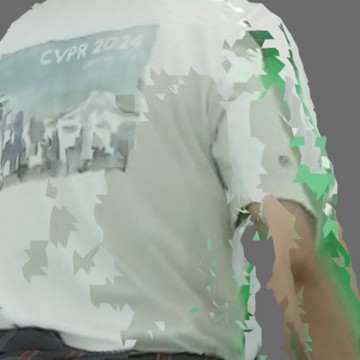
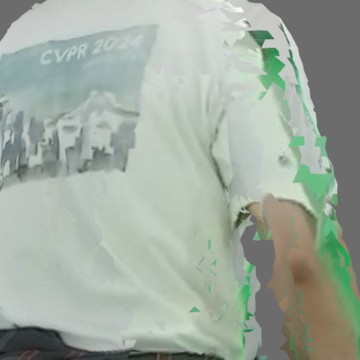
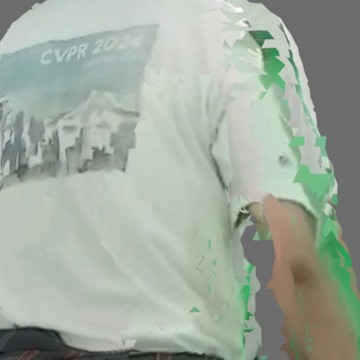
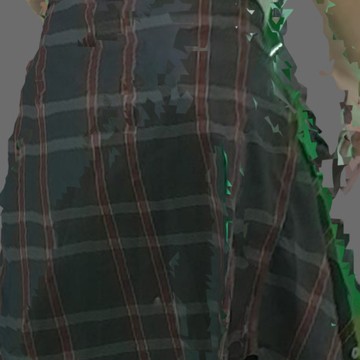
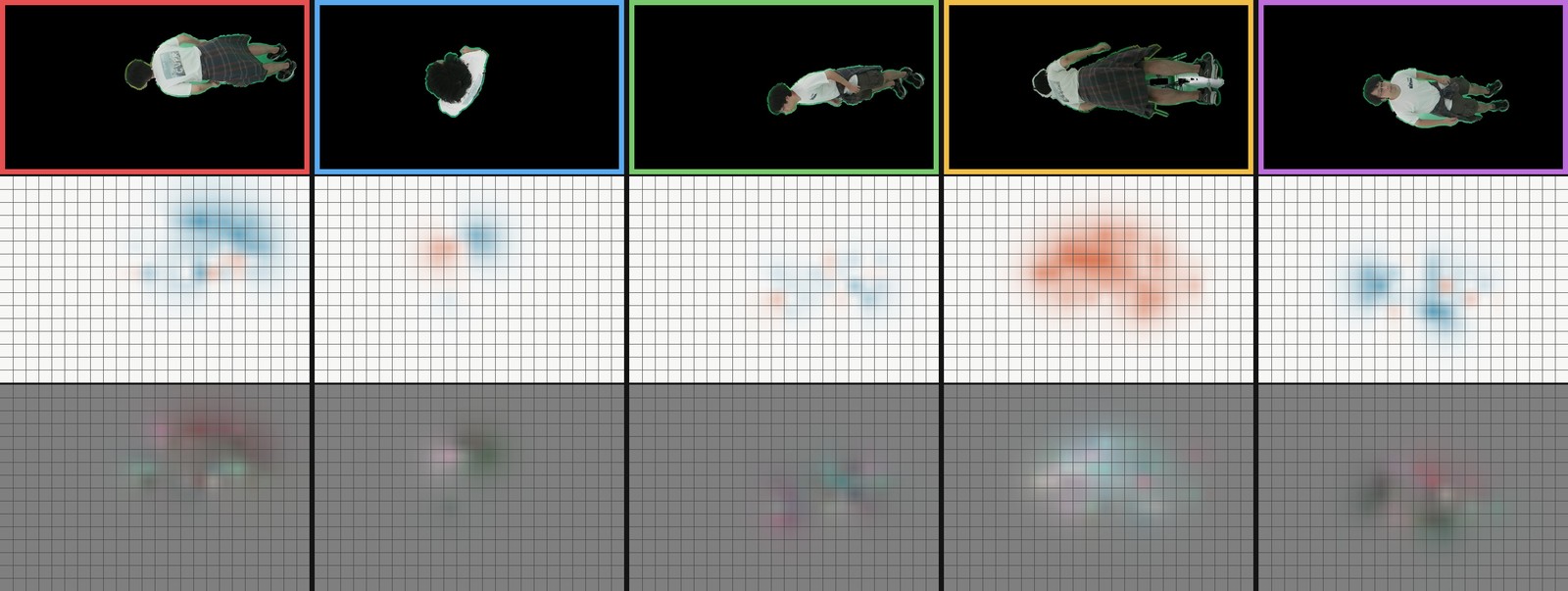
Each input camera: input with the background masked (top), luminance gain (middle) and RGB gain shown as the color it gives a neutral gray (bottom, tint exaggerated).
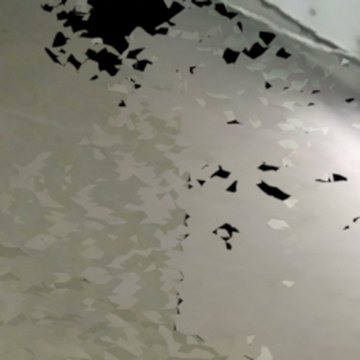
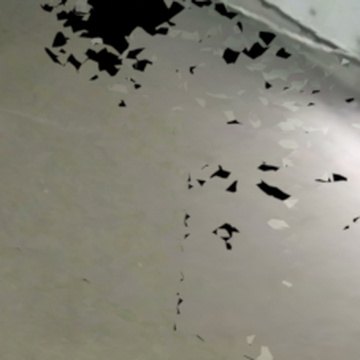
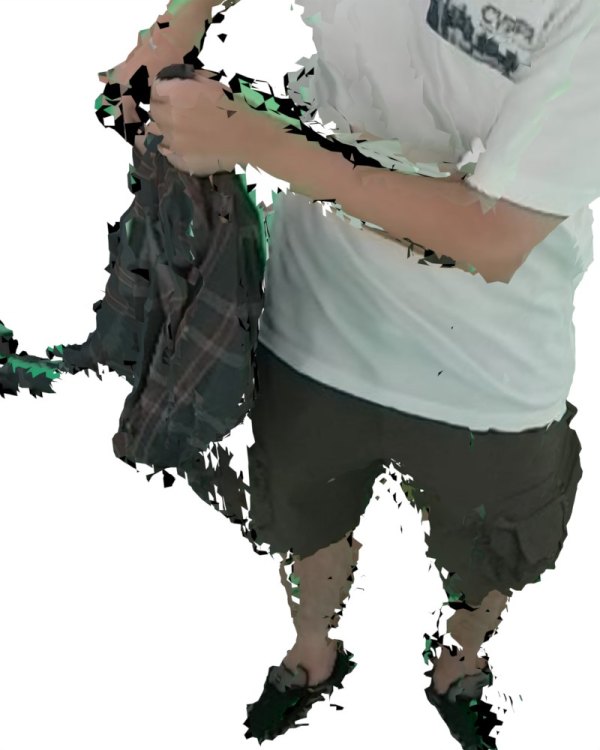
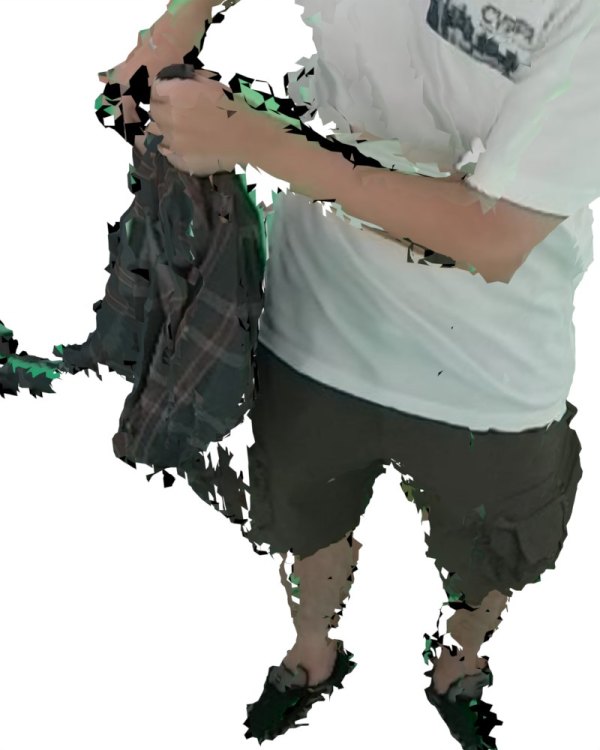
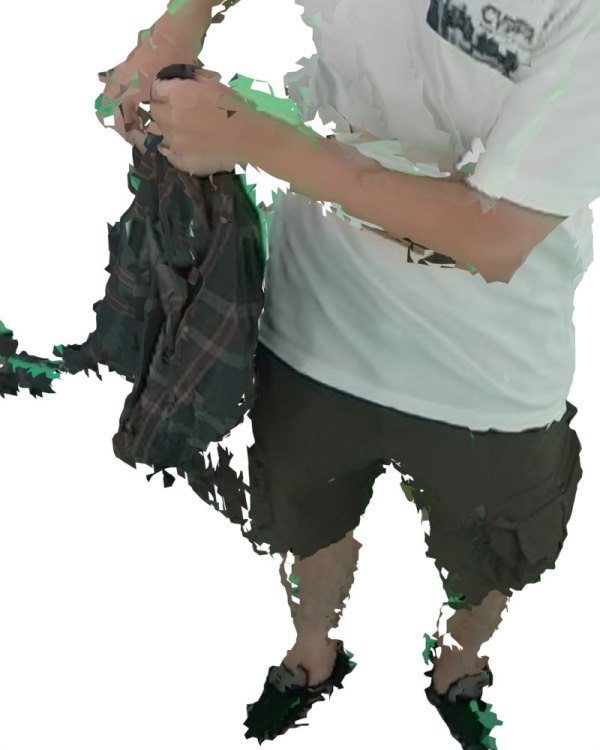
On an in-house capture with noisy depth, noise removal suppresses isolated fragments and inpainting fills faces that no camera textures.
@InProceedings{Sato_2027_WACV,
    author    = {Sato, Hiroyuki},
    title     = {GPU-Native Real-Time Textured Mesh Reconstruction with Seam-Aware Multi-View Radiometric Correction},
    booktitle = {Proceedings of the IEEE/CVF Winter Conference on Applications of Computer Vision (WACV)},
    year      = {2027}
}